Hanja
-
How I’m studying Hanja and why you should too
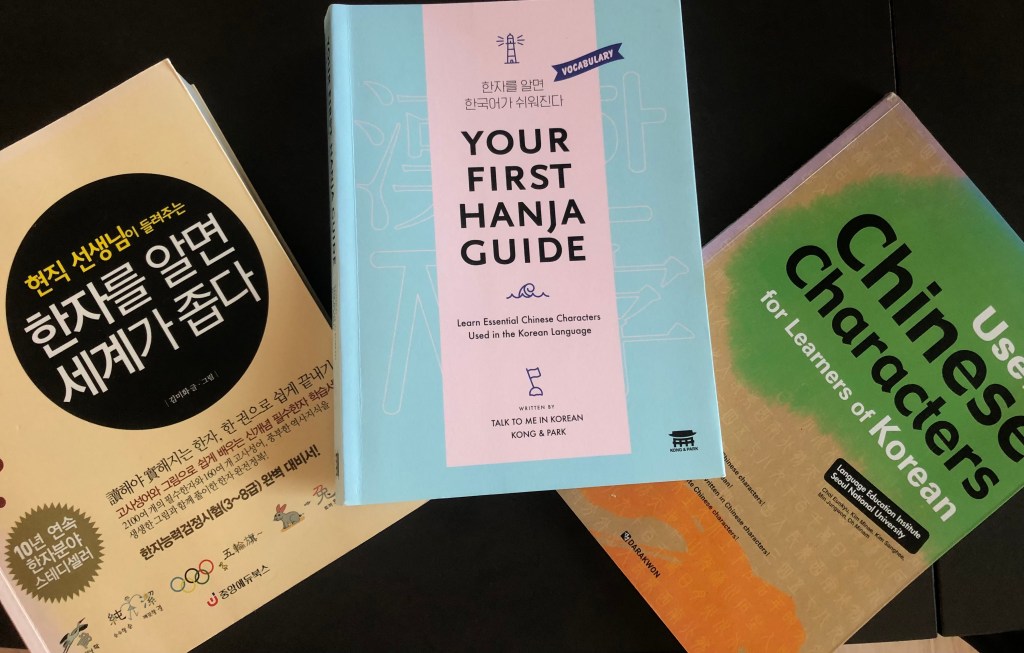
Since my last post, I’ve received several requests to share my Hanja learning tips, so ladies and gentlemen – here they come! If you’re learning Korean you probably know that 60-70 percent of all Korean words have roots in Chinese characters called Hanja in Korean. That means that although they are written in Hangeul they…
-
Book review: Your First Hanja Guide
Regular readers of my blog will know that I’m a strong advocate of learning basic Chinese characters (called Hanja in Korean) if you are serious about learning Korean. Not because you’ll necessarily need to be able to read them to get by in Korea, but because around 60-70% of all Korean words have a Hanja…

-
Learn through Korean proverbs (and Naver)
All languages have proverbs that often originate from ancient times and provide an invaluable insight into the culture and mindset of the native speakers. The more proverbs you know in your native language as well as in others, the more you’ll be able to understand the nuances of the language and how the language is…

-
Why all Korean learners should learn (a few) Chinese characters
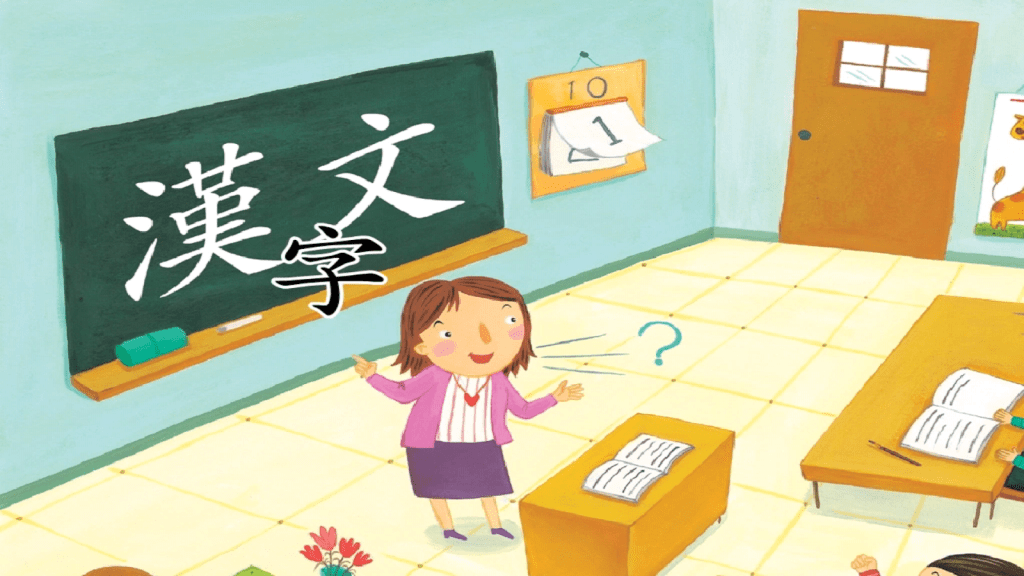
In my interactions with other Korean learners, I’ve frequently heard complaints that Chinese characters (which for the record do not appear often in written Korean) are hard. Using this as an excuse, many people avoid familiarizing themselves with these characters. In my opinion this is probably one of the biggest mistakes you can make as…
-
Korean unlocked
To many foreigners, learning Korean vocabulary may be an overwhelming task. The good news is that it doesn’t have to be. As most Korean learners know, the majority of all words in Korean are Hanja words. This means that most Korean words stem from a Chinese character. Now, don’t be frightened. Although you may see…

-
Four-syllable words in Korean
Not to be confused with four-letter words, these are words of Chinese origin used idiomatically for linguistic efficiency. A few examples: 십중팔구(十中八九) lit. meaning: 8 or 9 out of 10; use: “most likely” 세면도구 (洗面道具) lit. meaning: syllables of various personal hygiene activities; use: “toiletries” 유구무언 (有口無言) lit. meaning: to have nothing to say; use: “offer no…

-
My hanja hunt
I’ve really come to enjoy the game of building my Korean vocabulary through hanjas. This morning when I was reviewing the new words from my most recent TTMIK news delivery I came across the word 획득하다 meaning “to acquire or obtain”. I definitely recognized the 득, and wondered if it was the same 득 as in 설득 (persuasion). Indeed…

-
The struggle of retaining and building Korean vocabulary
Ever since I started subscribing to TTMIK’s “News in Korean” my reading speed and vocabulary have both improved rapidly. While that is a huge step forward, I felt that I was having a hard time learning and retaining the often specialized vocabulary presented in the news articles. Until now I’ve studied with the articles by looking over the…

-
Feeling positive about Korean negatives
Cryptic title, huh? Well, since I started reading the TTMIK News articles I’ve encountered quite a few semi-advanced negative Korean words, so I’ve been meaning to dig into the matter of how to construct these negations in Korean. And what better way than writing a blog post about it? ^^ Most negations in English are simply constructed by…

-
Learning Korean through K-pop with IU and Song Seung Heon
I recently stumbled across a super cute song by Korean singer IU (아이유) called 금요일에 만나요 (let’s meet Friday). The tune is really catchy and I currently find myself humming along to it all day long ^^ Anyway, if you’re a beginner learner of Korean the song is an excellent chance to review the weekdays as the…

 Sofie to Korea