Korean culture
-
How to suck at things in Korean
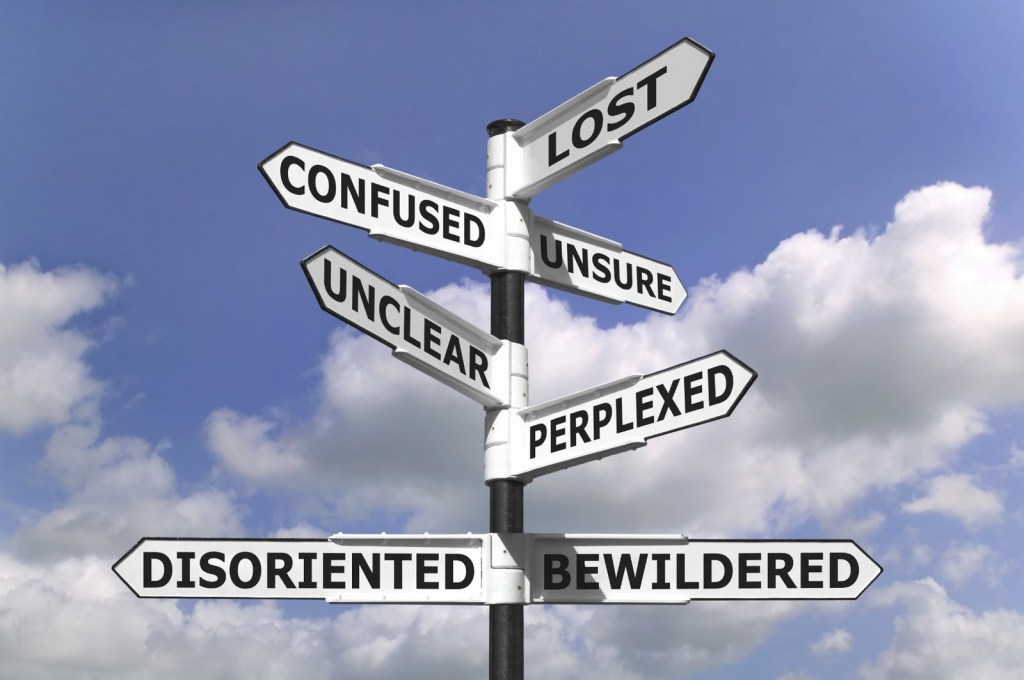
My Korean vocabulary was expanded recently when I learned the word 음치(eum-chi) meaning tone-deaf. I started thinking whether there was a connection because I once learned the word 길치 (kil-chi) from Talk To Me In Korean, and used to call my best friend 길치all the time because he had absolutely zero sense of direction. I…
-
49 days
Yesterday marked the 49th day following the passing of my best friend. In Korea, this day is usually marked by a memorial service, which has its roots in Buddhist tradition and is widely practiced across religions all over the country. I attended this memorial for my friend at his resting place yesterday together with his…
-
Experiencing reverse culture shock and… Now what?
I’ve been back in Denmark for almost two weeks now, and I’m slowly, very slowly, starting to settle down here. While I’ve landed physically, I’m mentally still in Korea (who knows if that will ever change?), and I’ve been struggling more than expected in coping with returning to Denmark after two years in Korea. My…

-
Korean hand gestures
Koreans use their hands a lot when they speak, but their hand gestures differ significantly from what we know from Western culture. I have no idea why I never thought about writing about this before but in the past few weeks I have experienced all most of these hand gestures first hand (haha, lame pun intended),…

-
My backpacking trip to beautiful Jeonju
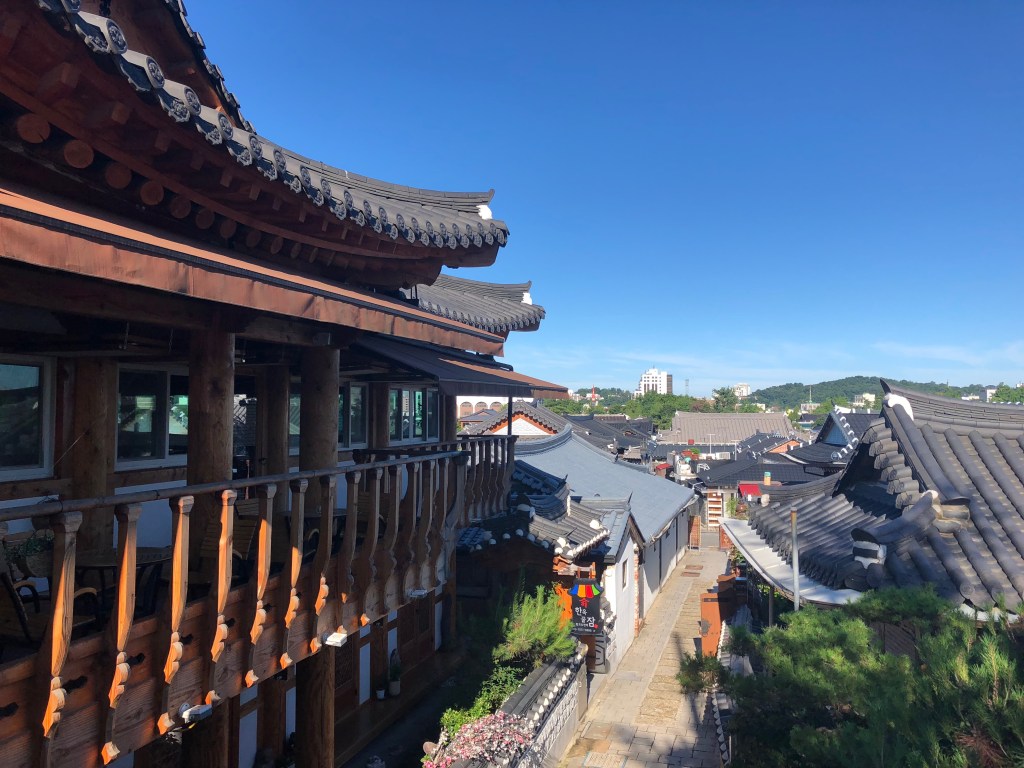
I’m now only two weeks away from my departure for Denmark, and I’m trying to make the most of my time here in Korea before I leave. Although I’m insanely busy during the week with teaching and test grading and preparation I’m free on weekends, and with my husband already back in Denmark I’m even…
-
The sixth Korean sense: nunchi
Nunchi, spelled 눈치 in Korean and literally meaning ‘eye measure’, is a concept you’ll inevitably have to deal with when living in Korea. Nunchi is a set of unspoken rules governing interpersonal relationships and can loosely be translated as ‘awareness of your surroundings’ or ’emotional intelligence’. Generally speaking, you can use the word in five…

-
The Korean mindset and locus of control
I’ve often heard Koreans say some version of “되면 하는 거고 말면 말고”, which directly translated means “if things work out we do so and so, and if things don’t work out we just don’t.” I believe that this ‘maybe, maybe not’ mindset to some extent explains why I oftentimes feel that I clash with…

-
Comedy in Korea
It’s nothing new that humor, comedy and what is generally considered funny is quite different from one culture to the next. Naturally, you’d then expect the Korean sense of humor to be quite different from Western humor, but honestly, I’ve come to realize that it’s a lot closer to what I consider Western humor than…
-
Korean buzzwords: Gapjil
Korean media have been reporting heavily on gapjil (갑질) over the past few weeks. The word is a fairly newly coined term consisting of the word 갑 (甲) literally meaning the “first party in a contract” and 질 which refers to demonstrating a certain behavior. Put together as a colloquial expression it means the arrogant or…

-
Writing emails in Korean – A quick guide
Several of you have requested that I do a blog post on writing emails in Korean. So, naturally, I’m happy to accommodate your kind request. I write emails in Korean almost every day, and while that alone does not make me an expert, I do have a few tips and points that I find shareworthy.…
 Sofie to Korea